How Your Sleep Changes After Quitting Alcohol
Published Friday, 23 October 2026 · 9 min read
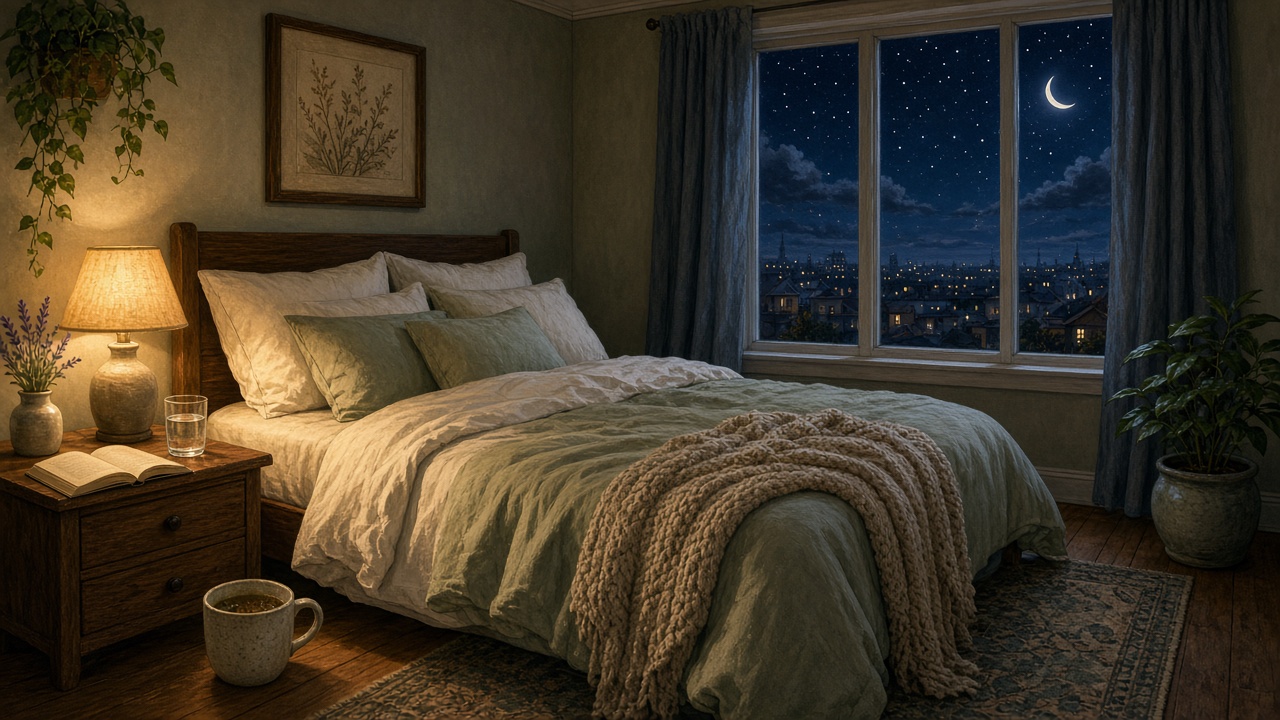
A lot of people expect to sleep like a baby the moment they stop drinking. Then the first few nights arrive, and they’re lying awake at 3 a.m., wondering if sobriety broke their sleep. It didn’t. Your brain is relearning how to fall asleep without a sedative, and that takes a little time. Here’s what usually happens to sleep after quitting alcohol, week by week, plus simple habits that help and the signs that mean it’s time to see a doctor.
A quick, important note. This is general information, not medical advice. If you’ve been drinking heavily or every day, stopping suddenly can cause alcohol withdrawal, which can be dangerous. Shaking, heavy sweating, a racing heart, confusion, seeing or hearing things that aren’t there, or seizures need medical care right away. Talk to a doctor before you stop if that might apply to you. In an emergency, call your local emergency number.
Why does alcohol mess with sleep in the first place?
Alcohol is a sedative, so it often helps you drop off faster. That’s why a nightcap feels like it works. The trouble comes later in the night. As your body processes the alcohol, the sedating effect wears off and your sleep becomes lighter and more broken. Research summarised by the US National Institute on Alcohol Abuse and Alcoholism (NIAAA) and sleep researchers points to a few consistent effects:
- Less REM sleep early on. REM is the dreaming stage linked to memory and emotional processing. Alcohol tends to suppress it in the first half of the night.
- More waking in the second half. Once the alcohol is metabolised, many people wake more often or sleep restlessly in the early hours.
- Bathroom trips. Alcohol makes you pass more urine, which can pull you out of sleep.
- Worse snoring and breathing. Alcohol relaxes the muscles of the throat, which can worsen snoring and obstructive sleep apnoea.
So even if drinking helped you fall asleep, it was probably costing you deep, steady rest. That’s the good news hiding in this post: once your body adjusts, there’s real room for your sleep to improve.
Why can sleep get worse before it gets better?
If you drank regularly, your brain adapted to having a sedative on board most evenings. Take it away and the systems that keep you alert are, for a while, turned up a notch. That can mean trouble falling asleep, waking often, night sweats, and very vivid dreams as REM sleep rebounds. Many people even have “drinking dreams,” where they dream they’ve had a drink and wake up feeling guilty. Those dreams are common in early recovery and don’t mean you’ve done anything wrong.
How long this lasts depends a lot on how much and how long you were drinking. Someone stepping back from a few glasses a week may notice almost no disruption. People who drank heavily for years can find that some sleep problems linger for weeks or even months, and studies of people in recovery from alcohol use disorder have found insomnia is one of the most common lingering complaints. That’s exactly why it’s worth having a plan, and worth asking for help if it drags on.
A week-by-week guide to sleep after quitting alcohol
Everyone is different, so treat this as a rough map rather than a schedule. If your experience doesn’t match, that doesn’t mean something is wrong.
Days 1 to 3: restless and wired
The first few nights are often the hardest. You might take a long time to fall asleep, wake up a lot, feel hot or sweaty, and have intense dreams. You may feel tired but oddly alert. If you were a heavy drinker, these are also the days when withdrawal symptoms can appear, so watch closely for the warning signs in the note above. Our guide to what happens in your first 7 days sober covers this stretch in more detail.
Days 4 to 7: small signs of settling
For many people, falling asleep starts to get a little easier by the end of the first week, even if nights are still broken. Dreams may stay vivid. This is a good time to lock in a regular wake-up time, because a steady morning anchor helps everything else fall into place.
Weeks 2 to 4: steadier nights
As the weeks go on, lots of people notice fewer early-morning wake-ups and feel more refreshed in the morning, even on nights when they slept a similar length of time. Some people still have the odd bad night, often after a stressful day or a skipped routine. That’s normal. Look at the overall trend, not a single night.
Month 2 and beyond: the payoff
By the second and third month, many people describe their sleep as deeper and more reliable than it was when they drank. If you were a long-term heavy drinker, improvement can be slower and come in waves. If you’re still struggling to sleep a month or more after stopping, that’s a good reason to talk to a doctor rather than just pushing through.
Every rough night is still a sober day.
Sober Tracker counts your sober days from the start date you choose and shows the recovery milestones ahead, so you can see progress even when sleep is slow to catch up. Download Sober Tracker on the App Store.
8 simple habits that help you sleep without alcohol
Sleep specialists generally recommend the same core habits, often called sleep hygiene. None of them are magic on their own, but together they make a real difference.
- Keep the same wake-up time every day. Even after a bad night, and even at weekends. A fixed wake time is one of the strongest signals your body clock gets.
- Get daylight early. Ten to twenty minutes outside in the morning helps set your internal clock and makes it easier to feel sleepy at night.
- Cut caffeine after midday. Coffee, strong tea, energy drinks, and many colas can keep you wired for hours, and it’s easy to lean on them more when you’re tired.
- Build a wind-down routine. The hour before bed used to be drinking time for many people. Replace it with something calming, like a warm shower, a herbal tea, or reading. Our list of alcohol-free evening rituals has ideas.
- Make your bedroom cool, dark, and quiet. An eye mask, earplugs, or a fan can help more than you’d expect.
- Get up if you can’t sleep. If you’ve been lying awake for what feels like twenty minutes or so, get up, do something quiet in dim light, and go back when you feel sleepy. This keeps your bed linked with sleep, not frustration.
- Keep naps short. If you need one, aim for 20 to 30 minutes before mid-afternoon so it doesn’t steal from your night.
- Move your body during the day. Regular physical activity is linked with better sleep. A daily walk counts.
One more thing: be careful about swapping alcohol for sleeping pills or over-the-counter sleep aids without advice. Some can be habit-forming or interact with other medicines. If you want help with sleep, ask a doctor or pharmacist what’s safe for you. For ongoing insomnia, many guidelines recommend cognitive behavioural therapy for insomnia (CBT-I) as the first-line treatment, and it’s available through clinicians and some digital programmes.
What if bad sleep makes you want to drink?
This is a real trap. You’re exhausted, it’s late, and a small voice says one drink would knock you out. It might, for a few hours, but it brings back the broken second half of the night and resets the adjustment your body has been working on. Try these instead:
- Remind yourself that early sleep trouble is temporary and a sign your brain is recalibrating.
- Keep a go-to “3 a.m. kit” ready: a book, a calming audio track, a glass of water.
- Accept rest without sleep. Lying quietly with your eyes closed is still restful.
- Message someone you trust or a support line in the morning if nights are hard.
If you do drink, it doesn’t cancel what you’ve learned. Our guide on how to count sober days and what to do if you slip explains how to restart without shame.
When should you see a doctor about sleep after quitting?
Book an appointment if any of these apply:
- Insomnia is still affecting your days a month or more after you stopped drinking.
- You or a partner notice loud snoring, gasping, or pauses in breathing at night, which can be signs of sleep apnoea.
- You feel low, hopeless, or very anxious most days.
- You’re tempted to drink, or take someone else’s medication, just to sleep.
Get urgent help for withdrawal symptoms such as shaking, confusion, hallucinations, or seizures, or if you have thoughts of harming yourself.
How Sober Tracker can help
Sober Tracker for iPhone doesn’t track your sleep, but it helps with the part that matters most here: staying steady while your body adjusts. It counts your sober days from your start date and shows your current streak next to your best streak. The recovery milestones timeline shows what’s coming next, which is handy when you’re waiting for better nights. A daily check-in notification gives you a calm moment to reflect each day, and the calendar of sober days helps you look back and connect good weeks with the routines that worked. If you reset, your history stays, so one hard night never erases the progress behind it.
Frequently asked questions
How long does it take for sleep to improve after quitting alcohol? Many people notice falling asleep gets easier within the first week or two, with steadier, more refreshing sleep over the following weeks. After years of heavy drinking, some sleep problems can last for months, so talk to a doctor if it isn’t improving.
Why can’t I sleep after I stop drinking? Your brain adapted to alcohol’s sedating effect. Without it, the systems that keep you alert are temporarily more active, which can cause insomnia, night sweats, and vivid dreams in the early days.
Are vivid dreams normal after quitting alcohol? Yes. Alcohol suppresses REM sleep, and when you stop, REM often rebounds, bringing intense or strange dreams. Dreams about drinking are especially common in early recovery.
Should I take sleeping pills after quitting alcohol? Only with advice from a doctor or pharmacist. Some sleep medicines can be habit-forming or unsafe with other medications. For ongoing insomnia, CBT-I is often recommended first.
Will I sleep better sober in the long run? Most people find their sleep becomes deeper and more consistent once their body adjusts, because alcohol no longer breaks up the second half of the night.
Related reading: What Happens in Your First 7 Days Sober, 10 Alcohol-Free Evening Rituals That Actually Help, and Sober Curious vs. Sober: Which Path Fits You?
Sources and further reading: NIAAA, “Alcohol and Sleep” and “Understanding Alcohol Use Disorder”; American Academy of Sleep Medicine, clinical guidance on CBT-I for chronic insomnia; NHS, “Insomnia” and “Alcohol misuse”; Sleep Foundation, “Alcohol and Sleep.”